
The night AI stole my show
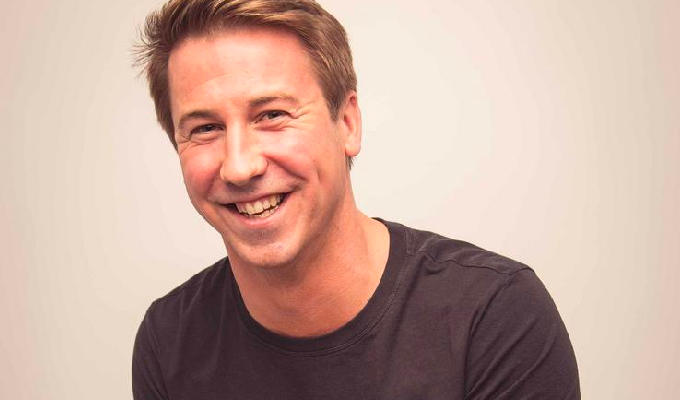
Comedian Benjamin Bello - aka President Obonjo - on a worrying development
It was such a wonderful experience performing at Utrecht International Comedy Festival over the weekend – a festival I would highly recommend.
However, it was the night AI stole my entire show. Feeling energised after a great night, I stepped out for a walk and bumped into an audience member who'd just watched my show. He enthusiastically told me he loved the performance but then mentioned he had a surprise for me. My heart skipped a beat as he pulled out his phone and showed me a full transcript of every word I'd said on stage, captured in real time.
I stood there stunned. How had he done that? He explained it was his phone's built-in AI transcription feature, quietly listening and converting speech to text as I performed. No fancy hidden equipment just everyday mobile technology powered by advanced AI speech-to-text models. Apps and native phone features can now deliver near instant, highly accurate transcripts, often with speaker identification, even in noisy environments like a comedy club.
This moment hit me hard. Comedy, especially stand-up, thrives on immediacy, vulnerability, and the unspoken pact between performer and audience: what happens in the room stays in the room (at least until official specials or releases). A perfect improvised punchline, a risky bit, an off-the-cuff crowdwork moment – these are ephemeral magic. But when every syllable can be captured, transcribed, and potentially shared, remixed, or repurposed instantly, that magic feels fragile.
This isn't just about one fan's tech-savvy enthusiasm. AI's rapid advances are reshaping live comedy in profound ways:
1. Material theft and joke security
Joke theft has always been comedy's cardinal sin. One comedian ‘borrowing’ another's premise or tag can end careers. Now, AI lowers the barrier dramatically.
A full transcript means anyone could feed your set into an AI tool to generate variations, punch-ups, or entirely new routines ‘inspired’ by your work. Comedians have long worried about AI scraping online specials or clips for training data (leading to lawsuits from creators like Sarah Silverman against AI companies, although she lost her case). But real-time mobile transcription brings the threat straight into the venue. Your unpublished, workshopped material – your secret sauce – could be digitised and disseminated before you've even refined it.
2. Loss of the live essence
Stand-up's power lies in its liveness: the shared energy, the risk of bombing, the thrill of something that might never be repeated exactly the same way.
When audiences record or transcribe, it shifts the dynamic. Performers become hyper-aware that every word is permanent, potentially chilling experimentation. We have already seen major comedians like Dave Chappelle, Chris Rock, and others enforce strict no-phone policies (often using Yondr pouches to lock devices away) to preserve that raw, unfiltered space.
AI transcription amplifies the need. It’s not just blurry bootlegs anymore; it's searchable, copy-and-pasteable text ready to be distributed or misused.
3. Audience etiquette
Phones already disrupt shows (think ringtones, bright screens, or hecklers filming crowd work). But AI makes passive recording effortless and invisible. No obvious red light or raised device needed. Fans might justify it (‘it's just for my notes’ or ‘I want to remember the jokes’), but it erodes trust.
Over time, this could push more clubs and performers toward mandatory phone collection or bans, creating a divide, purist venues where comedy feels sacred versus others where recording is tacitly allowed.
Creative opportunities (and ironies)
On the flip side, some comedians experiment with AI for writing assistance or generating ideas though most insist it lacks true timing, edge, or soul.
AI can punch up drafts or suggest tags, but it can't replicate the human vulnerability that makes comedy connect. Ironically, while AI threatens theft, it also highlights what makes human stand-up irreplaceable: delivery, crowd reading, and the intangible spark no algorithm can fake.
What started as a cool tech demo has turned me into an unlikely advocate for the idea that all mobile phones should be checked at the door for comedy shows.
Not out of paranoia, but to protect the fragile alchemy of live laughter. Until we figure out better boundaries for this tech, the stage needs to stay a phone-free zone where the only thing transcribed is the roar of the crowd in real time.
Because if every punchline can be captured and reborn in an instant, we risk losing the one thing AI can't truly steal – the irreplaceable feeling of being there, laughing together, in the moment.
• Benjamin Bello, who performs as President Obonjo of Lafta Republic, is on Instagram. His website is here.
Published: 9 Mar 2026