
In the UAE, comedy is thriving in tense times
Dubai-based comedian Sunil Mashari on how audiences need a laugh
Comedy feels different in the Middle East right now – and that isn’t necessarily a bad thing.
In comedy rooms across the UAE, the laughs are coming a split second quicker than usual. Not necessarily because the joke is better, but because the room needs it more.
You notice it the moment you step on stage. It is a collective contract, that, for the next couple of hours, the outside world can take a pause and can trundle on without us. We need some respite. The reality is, when the first proper laugh lands, it doesn't just sound louder, it feels more authentic, it feels communal, it feels like everyone in the room is connected. Like a pressure valve releasing, slowly and gratefully, in a room full of strangers who've briefly agreed to be on the same side.
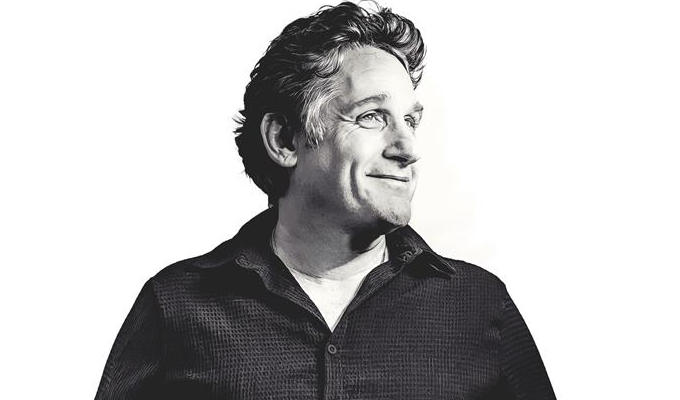
I'm a British stand-up based in Dubai. By day, I work in big corporate, something that I have done for more than 15 years. My role in strategy, marketing and communications means I spend what can only be described as an inordinate amount of time on how people receive information.
In my world, how tone lands, how a message is conveyed and how respective audiences respond under pressure is paramount. Since the onset of the Iran war on February 28, these skills have become more amplified and vital by night as I host and perform across the UAE’s top comedy productions.
Right now, I get a much more immediate version of the data I get in my day job. No dashboards, no focus groups. Just stage lights, a microphone and a room telling you in real time exactly how you're doing and most importantly how they are feeling.
Over the past few weeks, as the backdrop to everyday life in the region has grown more uncertain, something quietly (and wonderfully) extraordinary has been happening inside comedy rooms across Dubai and Abu Dhabi: the crowds haven't thinned. Far from it, if anything, they've grown massively. Comedy shows have been going on in full swing. In the UAE the population has shown a collective resilience for life to go on as normal
Shows are full. The UAE's live comedy scene – which, it is worth mentioning, is considerably more established than people assume – is not merely surviving the moment. It's thriving beyond anything I have seen in my two years on stage here.
The UAE's comedy circuit doesn't get the coverage it deserves in the global market. I am unsure whether this is because it doesn't fit neatly into the narrative. Wherever I travel across the world to perform comedy, there is always a look of shock on people's faces when I tell them I perform in the Middle East (it’s a shame I have to tell everyone that I am not getting a lucrative Saudi payday, despite having had the pleasure of performing in the genuinely incredible rooms in Riyadh).
In the UAE our comedy scene isn’t simply scraping by. Over the past decade, Dubai and Abu Dhabi have developed a genuine, year-round live comedy infrastructure. International touring acts, homegrown headliners who are touring the US and UK as well as dedicated comedy festivals (Dubai Comedy Week and Abu Dhabi Comedy Festival) drawing audiences in their thousands. The region has been quietly building something serious and doing it with a flair and style that would be the envy of any established comedy circuit.
Our longest-standing and most celebrated promoters The Laughter Factory have been bringing top UK and International acts to these shores for three decades.
I have had the privilege of touring with the likes of Paul Tonkinson, Darius Davies, Rory O’Hanlon and Pierre Hollins through them. Local stalwart Dubomedy is celebrating its 18th birthday at the end of April. Last month Jeff Ross casually popped into one of their shows. Tell me that isn’t a sophisticated comedy scene, I dare you.
What's changed recently isn't just the quality of the scene, which is exponentially on the rise. It's the energy, ambition and motivation inside of it, even through what has been the most tumultuous seven weeks of my life, let alone my comedy career.
Comedy crowds are often described as unpredictable. At the moment, they feel unusually more unified, let’s call it ‘hyperunity’.
In a city like Dubai, that's not a small thing. A single audience can represent 20, 30, 40 nationalities. Each person brings their own proximity to whatever is happening beyond the venue’s doors. For the duration of a comedy show at the moment, these idiosyncrasies seem to dissolve. Everyone is there for the same reason. Relief, respite and to reset after the stress of what have often been very long days.
You can feel it in how quickly a room warms up, how willingly they go with you, how generous they are with the laughs. People are just happy to be out of the house and be surrounded by other people who are going through the same situation as them. Conflict scenarios aren’t commonplace for most people, so we are learning how to handle everything on the fly.
For performers, jokes don't just land at the moment they release something. There's less hesitation, less overthinking. To coin a corporate phrase, it's as though the audience has made a collective executive decision: we are going to enjoy this, and we are going to enjoy it properly.
For comedians, that creates a heightened sense of responsibility. You're not just delivering punchlines. You're helping to shape the mood of an entire room full of people who've actively chosen to be there.
In the current climate, that feels like something worth doing well and the importance of this cannot be overstated. When you are speaking to an audience member who starts a conversation with ‘I really need this today’, you realise that this isn’t comedy offering respite from the mundane boring day to day, it is comedy offering respite from war. That isn’t exactly something most people can say they have had the pressure of doing. But that is the pressure that invigorates me and my fellow comedians to deliver at our absolute maximum.
Dubai's comedy scene can be described as being historically transient. People arriving, building something quickly, then moving on. People who try it and think it isn’t for them. Sticking at comedy in any environment is fairly hard.
What's been noticeable recently is how that's shifting. Comics are writing together more, building environments where comedy acts as an escape and pushing for more spaces for us to thrive in.
Our communities have set up creative spaces for comedians to alleviate some of the stress of the current situation. In recent times, this has been underpinned by a duty of care on everyone to each, checking in on each other, making sure they haven’t faced any adversity. In a city where many performers are far from home, that kind of network matters. It shows in the work. It shows in the rooms. It shows in the spirit of our unity in unprecedented times. Over here, it has forged friendships beyond what is typically considered people merely working together.
Small businesses across the city have really leaned in too hosting nights, collaborating with performers, using comedy as a means of bringing people together in a way that little else can. Comedy show in a salon? We did it. Spice challenges with local hot sauce businesses with comedians and celebrities? Check. One of Dubai’s most famous creative hubs, Alserkel Avenue, giving performers a space to grow and Shine for free during the conflict?
You’ve got it. From a personal perspective, I have been able to start my own comedy production, Callback Comedy UAE. So new comedy business ventures? Got it covered too.
On the surface, it's smart: a packed room, a great atmosphere, something that cuts through. Underneath, there's something more interesting going on. These events have become pockets of genuine connection in a city that, for all its ambition, can sometimes move a little too fast.
Comedy has given everyone the opportunity to slow down a little, forgot what’s going on outside, to stop checking the news constantly and just rejuvenate a little.
The logistics tell their own story. Shows were running within days of the conflict. When severe storms hit the UAE on March 27 (no, seriously we had tornado alerts here!), we still had people packing out rooms. If audiences are turning up in those conditions, it's not inertia, it’s intent.
When people actively seek out live comedy during periods of uncertainty, when they book tickets, arrange babysitters, sit in traffic, they're not avoiding reality. They're choosing, quite deliberately, to do something that makes them feel better. I don’t consider that to be a trivial life choice, I think it is fairly rational, especially at the moment.
For a couple of hours, a room full of strangers can agree on what's funny. In a world where agreement increasingly feels like a miracle – that shared moment, even if it is a fleeting moment, really matters.
I’m sure many of you are wondering, do we talk about the situation? Frankly speaking, the material hasn't changed dramatically. The comics haven't suddenly become more profound and more political analysts.
To be honest the audience don’t want that. It’s different when you are at the epicentre of something and it isn’t distant. Context does something to comedy that's hard to explain until you're standing on a stage feeling it. The same joke, delivered to a room that genuinely needs it, lands differently. It carries more weight, even as it makes everything feel lighter, even you as the performer.
Comedy doesn't fix everything. I don’t think it has ever pretended to. But right now, in clubs and bars and pop-up venues across the UAE, it's doing something rather valuable: it's reminding people that they can still laugh together and be truly United in the United Arab Emirates, which is something we are all proud to be able to profess.
In the current climate, that's not nothing. That's quite a lot, actually.
• Sunil Mashari is on Instagram at @laughwithmrmash.
Published: 24 Apr 2026